
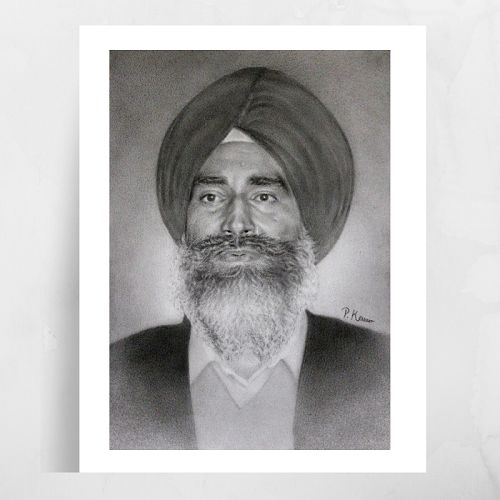
Introduction
In the annals of modern history, there are individuals whose bravery and dedication transcend the boundaries of fear and oppression. Jaswant Singh Khalra is one such name that has become synonymous with truth, justice, and human rights. Born in Punjab, India, Khalra emerged as a staunch human rights activist who devoted his life to uncovering the truth about state-sponsored atrocities during one of the darkest periods in Punjab’s history. His story is a testament to the power of truth and the indomitable spirit of those who fight for justice, regardless of the personal cost.
Early Life and Background
Jaswant Singh Khalra was born on August 2, 1952, in the small village of Khalra in the Tarn Taran district of Punjab. Raised in a family rooted in Sikh values, he was deeply influenced by the teachings of the Sikh Gurus, which emphasize truth, equality, and justice. Khalra completed his education in Punjab and began his career working in a bank. However, his innate sense of justice and empathy for the oppressed soon drew him into the world of human rights activism.
The Dark Period in Punjab’s History
The 1980s and early 1990s were a tumultuous time in Punjab. The region was gripped by militancy, and the Indian government responded with a heavy-handed approach. Thousands of young men, primarily Sikhs, were arrested, detained, and often disappeared under the pretext of counter-terrorism measures. Allegations of fake encounters, extrajudicial killings, and mass cremations became alarmingly common.
Amidst this chaos, Jaswant Singh Khalra began his work to uncover the truth behind the disappearances. He was driven by the plight of families who had lost their loved ones and were left with no answers. These families found an advocate in Khalra, who took it upon himself to bring justice to the victims.
Investigating Mass Cremations
Khalra’s groundbreaking investigation began when he came across municipal records that indicated a shocking pattern. In the cremation grounds of Amritsar, Tarn Taran, and other districts, thousands of unidentified bodies had been secretly cremated by the police. Many of these individuals were detainees who had been declared missing by their families. Khalra meticulously documented the records and revealed that over 25,000 bodies had been illegally cremated in Punjab.
These findings shook the conscience of not just Punjab but the entire nation. Khalra’s research exposed a chilling truth: the state’s machinery was complicit in the enforced disappearances and killings of innocent civilians.
International Advocacy
Realizing the magnitude of his findings, Khalra took his cause to the international stage. In 1995, he traveled to Canada, the United States, and the United Kingdom to raise awareness about the human rights violations in Punjab. His speeches highlighted the suffering of thousands of Sikh families and called for accountability and justice. Khalra’s efforts garnered significant attention from human rights organizations, including Amnesty International and the United Nations.
Abduction and Disappearance
Jaswant Singh Khalra’s activism made him a target for the very system he sought to expose. On September 6, 1995, he was abducted from his residence in Amritsar by the Punjab Police. Despite widespread outrage and demands for his release, Khalra was never seen again. Subsequent investigations revealed that he had been tortured and killed in custody.
The news of his abduction and likely murder sent shockwaves across the globe. Human rights organizations and activists condemned the Indian government’s role in silencing a man who had devoted his life to seeking justice for others.
Legacy and Impact
Though Jaswant Singh Khalra’s life was tragically cut short, his work continues to inspire generations of activists. His relentless pursuit of truth shed light on the systemic abuses of power and highlighted the importance of accountability in governance. Khalra’s legacy is enshrined in the values he upheld: courage, empathy, and an unwavering commitment to justice.
Memorials and Tributes
To honor Khalra’s contributions, several organizations and individuals have dedicated their work to continuing his mission. The Khalra Mission Organisation, established in his memory, works to promote human rights and raise awareness about injustices worldwide. Annual events and seminars are held to commemorate his sacrifice and educate the public about his work.
Lessons from Khalra’s Life
Jaswant Singh Khalra’s life serves as a powerful reminder of the impact one individual can have in the fight against oppression. His story underscores the importance of standing up for the marginalized and holding those in power accountable for their actions. Khalra’s bravery inspires us to confront injustices, no matter how formidable the challenge.
Conclusion
Jaswant Singh Khalra’s life and legacy are a beacon of hope and resilience. His tireless efforts to uncover the truth and advocate for the oppressed have left an indelible mark on the world. As we reflect on his contributions, we are reminded of our collective responsibility to uphold human rights and ensure justice for all.
Let us honor Jaswant Singh Khalra by continuing his mission to stand for truth, speak against injustice, and work towards a world where every individual’s rights are respected and protected.
Certainly! Below is the translated article about Jaswant Singh Khalra in Punjabi and Hindi.
ਜਸਵੰਤ ਸਿੰਘ ਖਲਰਾ ਦੀ ਜੀਵਨ ਕਥਾ (Punjabi)
ਭੂਮਿਕਾ
ਜਸਵੰਤ ਸਿੰਘ ਖਲਰਾ ਦਾ ਨਾਮ ਮਨੁੱਖੀ ਅਧਿਕਾਰਾਂ ਦੇ ਰੱਖਵਾਲੇ ਦੇ ਰੂਪ ਵਿੱਚ ਹਮੇਸ਼ਾ ਲਈ ਜਾਨਿਆ ਜਾਵੇਗਾ। ਉਹ ਇੱਕ ਐਸੇ ਵਿਅਕਤੀ ਸਨ, ਜਿਨ੍ਹਾਂ ਨੇ ਸੱਚ ਨੂੰ ਬਿਆਨ ਕਰਨ ਲਈ ਆਪਣੀ ਜ਼ਿੰਦਗੀ ਨੂੰ ਖਤਰੇ ਵਿੱਚ ਪਾਇਆ। ਉਨ੍ਹਾਂ ਦੇ ਯਤਨਾਂ ਨੇ ਸਿੱਖ ਨੌਜਵਾਨਾਂ ਦੀ ਗੁੰਮਸ਼ੁਦਾ ਮੌਤਾਂ ਨੂੰ ਬੇਨਕਾਬ ਕੀਤਾ ਅਤੇ ਸਰਕਾਰੀ ਤਨਾਖਿਆਂ ਦੀ ਸਚਾਈ ਨੂੰ ਲੋਕਾਂ ਦੇ ਸਾਹਮਣੇ ਰੱਖਿਆ।
ਸੁਰੁਆਤੀ ਜ਼ਿੰਦਗੀ
ਜਸਵੰਤ ਸਿੰਘ ਖਲਰਾ ਦਾ ਜਨਮ 1952 ਵਿੱਚ ਪੰਜਾਬ ਦੇ ਅੰਮ੍ਰਿਤਸਰ ਵਿਖੇ ਹੋਇਆ। ਉਹ ਇੱਕ ਸਧਾਰਨ ਪਰਿਵਾਰ ਦੇ ਸਦੱਸ ਸਨ। ਉਨ੍ਹਾਂ ਨੇ ਆਪਣੇ ਸ਼ੁਰੂਆਤੀ ਦਿਨਾਂ ਵਿੱਚ ਸਿੱਖ ਧਰਮ ਦੇ ਮੁੱਲਾਂ ਅਤੇ ਗੁਰੂਆਂ ਦੇ ਸਿਦਾਂਤਾਂ ਦਾ ਅਧਿਐਨ ਕੀਤਾ। ਉਨ੍ਹਾਂ ਦੀ ਮਿਤ੍ਰਤਾ ਅਤੇ ਪੂਰੇ ਹੱਕ ਲਈ ਲੜਨ ਦਾ ਜਜ਼ਬਾ ਛੋਟੀ ਉਮਰ ਤੋਂ ਹੀ ਦਿਖਾਈ ਦਿੰਦਾ ਸੀ।
ਮਨੁੱਖੀ ਅਧਿਕਾਰਾਂ ਲਈ ਜੰਗ
1984 ਦੇ ਦੰਗਿਆਂ ਤੋਂ ਬਾਅਦ, ਜਦੋਂ ਪੰਜਾਬ ਵਿੱਚ ਹਜ਼ਾਰਾਂ ਸਿੱਖ ਨੌਜਵਾਨਾਂ ਨੂੰ ਗ੍ਰਿਫ਼ਤਾਰ ਕੀਤਾ ਗਿਆ, ਗੁੰਮਸ਼ੁਦਾ ਘੋਸ਼ਿਤ ਕੀਤਾ ਗਿਆ ਜਾਂ ਨਕਲੀ ਮੁਕਾਬਲਿਆਂ ਵਿੱਚ ਮਾਰ ਦਿੱਤਾ ਗਿਆ, ਜਸਵੰਤ ਸਿੰਘ ਨੇ ਸੱਚਾਈ ਦੇ ਰਾਹ ਤੇ ਚੱਲਣ ਦਾ ਫੈਸਲਾ ਕੀਤਾ। ਉਹ ਪੰਜਾਬ ਦੇ ਤਰਨ ਤਾਰਨ ਜ਼ਿਲ੍ਹੇ ਵਿੱਚ ਗੁੰਮਸ਼ੁਦਾ ਵਿਅਕਤੀਆਂ ਦੇ ਪਰਿਵਾਰਾਂ ਨਾਲ ਮਿਲੇ ਅਤੇ ਸਰਕਾਰੀ ਅਧਿਕਾਰੀਆਂ ਵਲੋਂ ਕੀਤੇ ਗਏ ਜ਼ੁਲਮਾਂ ਦੀ ਜਾਂਚ ਕੀਤੀ।
ਜ਼ੁਲਮ ਦਾ ਬੇਨਕਾਬ
ਉਹਨਾਂ ਨੇ ਲੱਖਾਂ ਸਰਕਾਰੀ ਦਸਤਾਵੇਜ਼ਾਂ ਦਾ ਅਧਿਐਨ ਕੀਤਾ, ਜਿਸ ਦੌਰਾਨ ਉਹ ਇਹ ਸਾਬਤ ਕਰਨ ਦੇ ਯੋਗ ਬਣੇ ਕਿ ਕਈ ਹਜ਼ਾਰ ਨੌਜਵਾਨਾਂ ਨੂੰ ਬੇਰਹਿਮੀ ਨਾਲ ਮਾਰਿਆ ਗਿਆ। ਖਲਰਾ ਨੇ ਖੁਲਾਸਾ ਕੀਤਾ ਕਿ ਕਈ ਹਜ਼ਾਰ ਲਾਸ਼ਾਂ ਨੂੰ ਬਿਨਾ ਕਿਸੇ ਸੂਚਨਾ ਦੇ ਜਲਾਇਆ ਜਾਂ ਰੀਤੀਆਂ ਦੇ ਬਾਅਦ ਦਫ਼ਨਾ ਦਿੱਤਾ ਗਿਆ। ਇਹ ਸੱਚਾਈ ਲੋਕਾਂ ਲਈ ਚੌਕਾਉਣ ਵਾਲੀ ਸੀ।
ਗ੍ਰਿਫ਼ਤਾਰੀ ਅਤੇ ਗੁੰਮਸ਼ੁਦਗੀ
ਜਸਵੰਤ ਸਿੰਘ ਖਲਰਾ ਨੇ ਆਪਣੇ ਖ਼ਤਰੇ ਨੂੰ ਜਾਣਦੇ ਹੋਏ ਵੀ ਆਪਣਾ ਕੰਮ ਜਾਰੀ ਰੱਖਿਆ। 6 ਸਤੰਬਰ 1995 ਨੂੰ ਉਨ੍ਹਾਂ ਨੂੰ ਅਧਿਕਾਰੀਆਂ ਵਲੋਂ ਗ੍ਰਿਫ਼ਤਾਰ ਕੀਤਾ ਗਿਆ ਅਤੇ ਕੁਝ ਦਿਨਾਂ ਬਾਅਦ ਉਹ ਗੁੰਮ ਹੋ ਗਏ। ਉਨ੍ਹਾਂ ਦੀ ਮੌਤ ਨੂੰ ਅੱਜ ਵੀ ਲੋਕ ਸਿੱਖ ਕੌਮ ਅਤੇ ਮਨੁੱਖੀ ਅਧਿਕਾਰਾਂ ਦੇ ਇਤਿਹਾਸ ਵਿੱਚ ਇੱਕ ਕਾਲਾ ਅਧਿਆਇ ਮੰਨਦੇ ਹਨ।
ਮਿਰਾਸ
ਉਨ੍ਹਾਂ ਦੇ ਯਤਨ ਅਤੇ ਬਲਿਦਾਨ ਨੇ ਕਈ ਹੋਰ ਮਨੁੱਖੀ ਅਧਿਕਾਰ ਦੇ ਕਾਰਕੁਨਾਂ ਨੂੰ ਪ੍ਰੇਰਨਾ ਦਿੱਤੀ। ਜਸਵੰਤ ਸਿੰਘ ਖਲਰਾ ਅੱਜ ਵੀ ਸੱਚਾਈ ਅਤੇ ਨਿਆਏ ਲਈ ਲੜਾਈ ਦੀ ਪ੍ਰਤੀਕ ਹੈ।
जसवंत सिंह खालड़ा की जीवन गाथा (Hindi)
प्रस्तावना
जसवंत सिंह खालड़ा का नाम मानवाधिकारों के रक्षक के रूप में सदैव याद किया जाएगा। वह एक ऐसे व्यक्ति थे जिन्होंने सत्य के लिए अपनी जान जोखिम में डाल दी। उनके प्रयासों ने सिख युवाओं की गुमशुदा मौतों और सरकारी अत्याचारों को उजागर किया।
प्रारंभिक जीवन
जसवंत सिंह खालड़ा का जन्म 1952 में पंजाब के अमृतसर में हुआ। वह एक साधारण परिवार से थे। उन्होंने बचपन से ही सिख धर्म के मूल्यों और गुरुओं की शिक्षाओं का अध्ययन किया। उनके स्वभाव में सत्य के लिए लड़ने का जज्बा हमेशा दिखता था।
मानवाधिकारों के लिए संघर्ष
1984 के दंगों के बाद, जब पंजाब में हजारों सिख युवाओं को गिरफ्तार किया गया, गुमशुदा घोषित किया गया, या फर्जी मुठभेड़ों में मार दिया गया, जसवंत सिंह ने सच्चाई की राह पर चलने का निर्णय लिया। वह तरन तारन जिले में गुमशुदा व्यक्तियों के परिवारों से मिले और सरकारी अधिकारियों के अत्याचारों की जांच की।
अत्याचारों का पर्दाफाश
उन्होंने सरकारी दस्तावेजों का अध्ययन किया और यह साबित किया कि हजारों युवाओं को बेरहमी से मारा गया। खालड़ा ने खुलासा किया कि हजारों शवों को बिना किसी सूचना के जलाया या दफनाया गया। यह सच्चाई लोगों के लिए चौंकाने वाली थी।
गिरफ्तारी और गुमशुदगी
जसवंत सिंह खालड़ा ने खतरों के बावजूद अपने कार्य जारी रखे। 6 सितंबर 1995 को उन्हें अधिकारियों द्वारा गिरफ्तार किया गया और कुछ दिनों बाद वह गुम हो गए। उनकी मौत आज भी सिख कौम और मानवाधिकारों के इतिहास का काला अध्याय मानी जाती है।
विरासत
उनके प्रयासों और बलिदान ने अन्य मानवाधिकार कार्यकर्ताओं को प्रेरणा दी। जसवंत सिंह खालड़ा आज भी सत्य और न्याय के लिए संघर्ष का प्रतीक हैं।
यह लेख जसवंत सिंह खालड़ा की सच्चाई और मानवाधिकारों के प्रति उनके योगदान की गहराई से व्याख्या करता है। यदि आप इसमें और कोई बदलाव चाहते हैं, तो बताएं!